Predator Ecology Lab
  • Home
    • News Archive
  • Principal Investigator
  • Research
    • PI Publications
  • Teaching
  • Current Lab Members
    • Lab Alumni
    • Prospective Students
  • Blog
  • Sponsors
  • Links

Another summer of brown bear research in Bristol Bay

7/23/2015

3 Comments

 
by Aaron Wirsing

For the fourth year running, I've joined professor Tom Quinn (SAFS) at Lake Aleknagik in southwestern Alaska to sample brown bears exploiting the legendary Bristol Bay sockeye salmon run. Our study is noninvasive, relying on barbed wires strung across small spawning streams (see picture) to collect hair samples from passing bears. We then send the hair samples to Professor Lisette Waits, another of our collaborators at the University of Idaho, for individual genoptying, enabling us to determine how many bears use each stream. As we add more years to the investigation, we'll be able to ask a variety of exciting questions, including whether individual bears return to the same stream each year and if there is matrilineal transmission of foraging behavior (i.e., do cubs match the spatial hunting patterns of their mothers?). For now, we're off to check the wires!
Aaron Wirsing running barbed wire across a stream to collect animal hair samples
Photo by Dean Adams
3 Comments

Interested in supporting our wolf research?

7/1/2015

5 Comments

 
Picture
By Aaron Wirsing

The Washington Wolf Project is now entering its fourth year! This winter, beginning in December, we'll again be collaring deer to monitor their responses to recolonizing wolves. We'll also be testing whether the presence of wolves in eastern Washington is shaping the impacts of deer herbivory on plant communities and easing predation on fawns by suppressing coyotes (a major fawn predator). 

For the first time, you can help us to understand the ecological and economic impacts of wolves here in Washington through tax-deductible donations to a University of Washington gift account that is specific to our lab. Your contributions will be used exclusively to support graduate student research in field. For example, gift funds will support aerial helicopter captures of mule and white-tailed deer for GPS and camera collar deployment, the analysis of wolf scat samples so that we can determine what the wolves have been eating, and the purchase of GPS collars for cougars so that we can monitor responses of these top feline predators to the renewed presence of wolves. We thank you for your support!

Graduate student Carolyn Shores and her research assistant Christina Bankert out monitoring radio-collared deer fawns (photo by A. Wirsing).
5 Comments

Cougar Project update

6/1/2015

3 Comments

 
By Clint Robins
Canyon Creek, Snoqualmie Forest

“Do not try to fight a lion if you are not one yourself."
      - African proverb

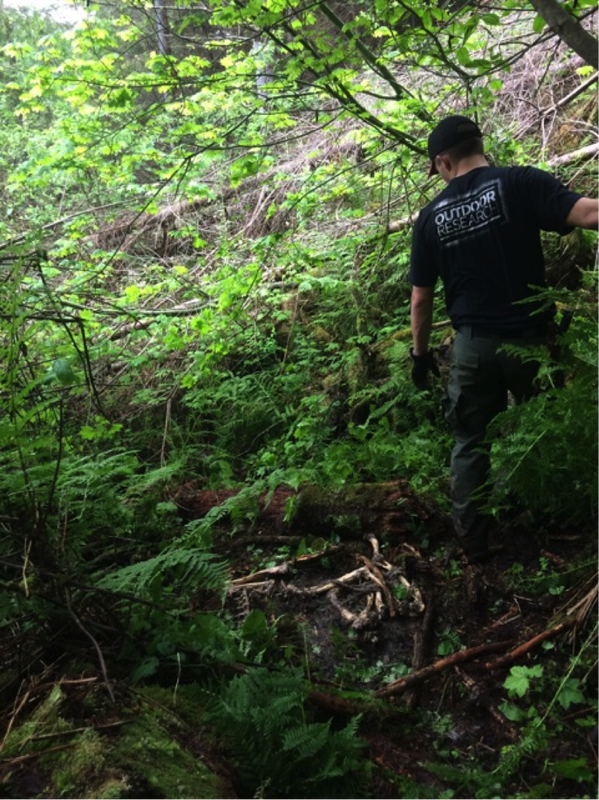
Cougars, also known as mountain lions, pumas, or catamounts, are opportunistic hunters that typically stalk their prey before taking it down from behind.  Cougars rely on cover to hunt successfully, and frequently make kills near forest edges.  My research explores cougar kill site locations and their habitat characteristics to determine the extent of understory cover associated with successful cougar foraging along western Washington’s urban-to-wildland gradient.   Results from the project will be used to assist wildlife managers in identifying habitats in residential areas that are associated with cougar hunting behavior as part of ongoing efforts to minimize cougar depredations and human-wildlife conflict.

The Cougar project’s 2015 field season is underway, with data collection taking place in the Snoqualmie and Markworth Forests.  The study site’s proximity to Seattle (30 miles) allows undergraduates and volunteers to readily contribute to data collection.  Currently, there are seven assistants working on the project.  Volunteers learn how to locate cougar kills, navigate rugged terrain, use prey remains to determine prey age and condition, and quantify forest characteristics. 
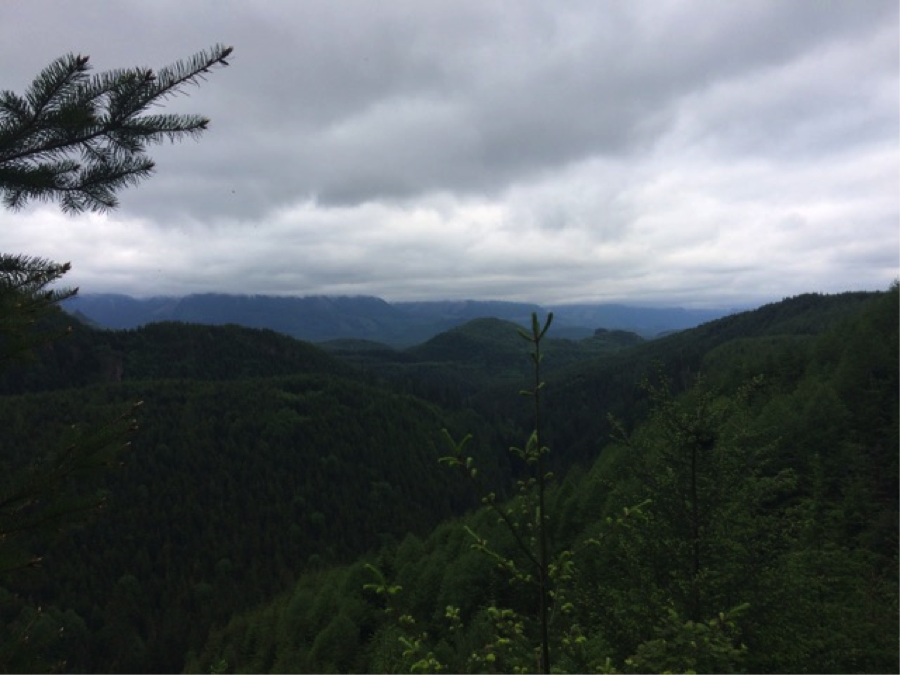
View of a cloudy day in the mountains with evergreen trees
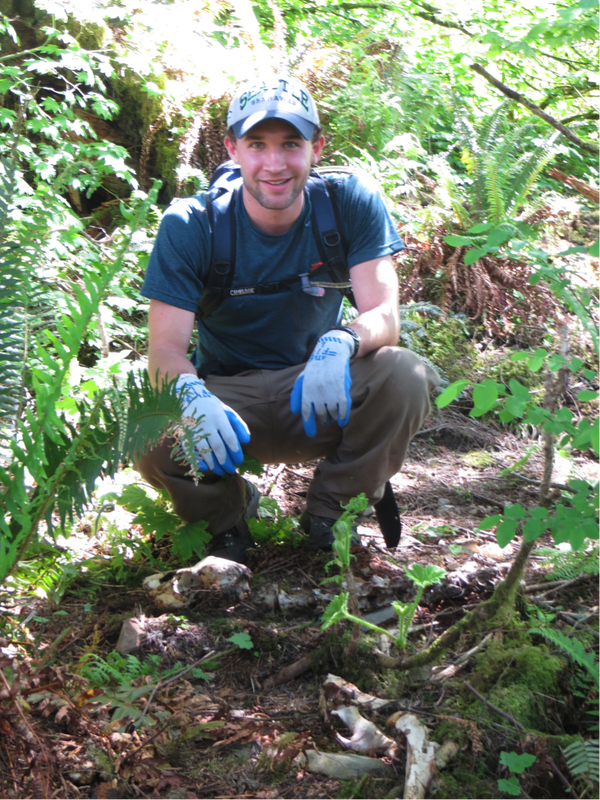
Researcher at a kill site examining bones
               Connor Meyer at a kill by F4 (adult female)
Researcher at a kill site examining bones from a distance
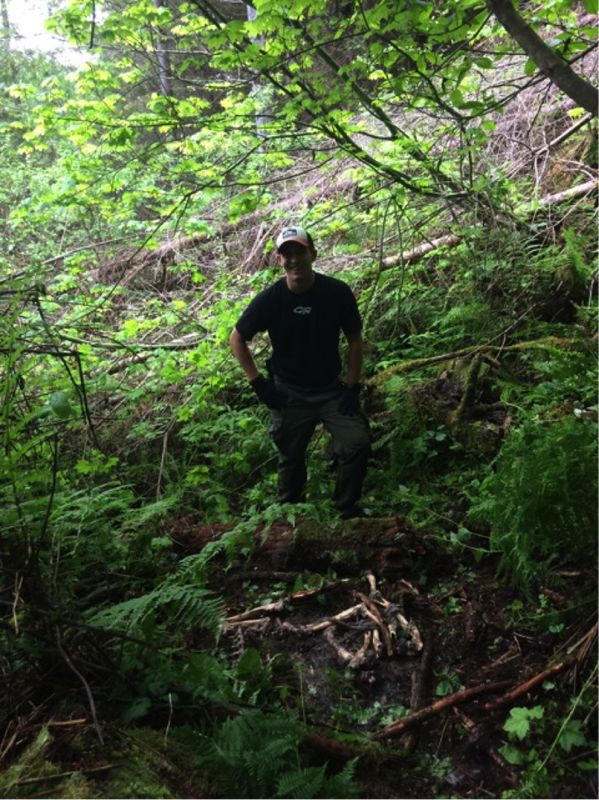
Researcher at a kill site examining bones among trees
              Nick Ulacia at a kill by F8 (adult female)

The Predator Ecology Lab Cougar Project emphasizes volunteer contributions and uses such opportunities as a means of increasing data collection while disseminating information about cougar predatory behavior.   With the help of volunteers, we hope to provide novel information on how predator behavior and landscape features are intricately linked.

3 Comments

Setting up the experiment

5/20/2015

3 Comments

 
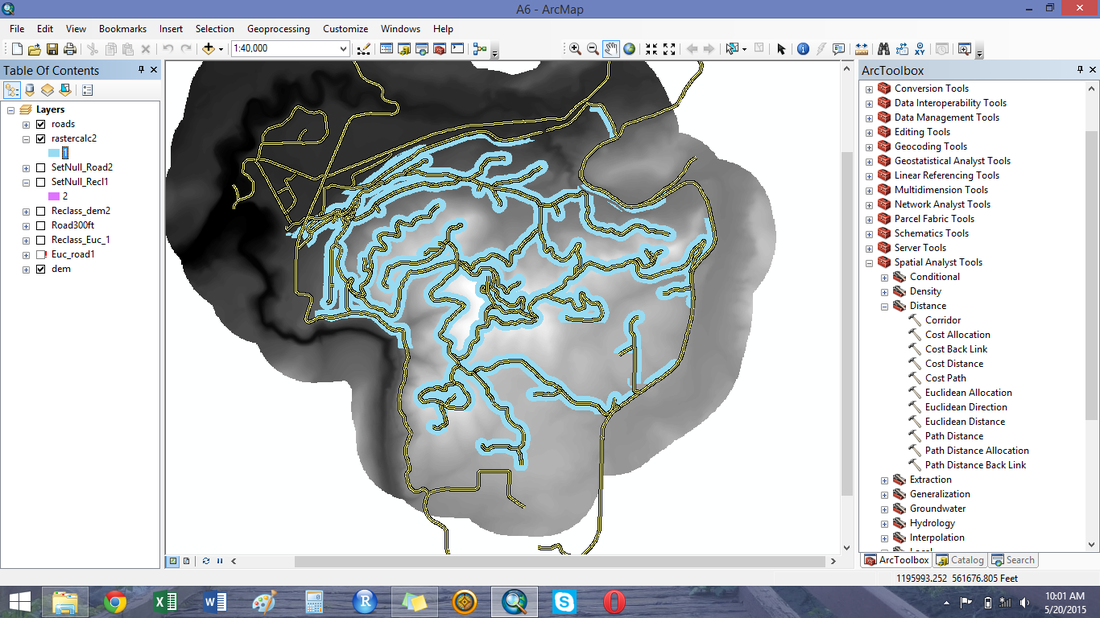
Before I begin installing exclosures, I have to determine where to place them. I use mapping software called ArcMap to look at different land characteristics and property boundaries. If my study results show that deer in wolf areas do not eat as much of species x, then I need to be sure it is because there are wolves there and not because all of my plots in the wolf areas in on north-facing hillsides, for instance. So, I use maps to make sure that hydrology, aspect, slope, roads, and plant communities are similar in the two study areas and that the only difference between the plots in the wolf-present and non-wolf area is the presence of wolves. 

I also use the software to help with field navigation. I can use the software to export my survey points and import them to GPS units to find the sites in the field. While GPS units are handy for returning to the same exact point repeatedly, they are still no substitute for paper maps for navigation. Mapping software allows me to map elevation, vegetation, or other distinguishing characteristics to help in getting to and from study sites by car and foot. 

Mapping and study design are an important facet of a sound research study. By preparing in advance, I will be able to maximize efficiency and safety in the field and minimize resource use. 
Screen capture of a map being created in ArcMap software
by: Apryle Craig

This summer, I will be installing deer exclosures in wolf-present and non-wolf areas of northeastern Washington to investigate the impacts of recolonizing wolves on deer herbivory. At each study site, there will be two vegetation plots: one inside a fence protected from deer browse, and one outside of the fence exposed to deer browse. Each winter, deer consume woody plants that stick up above the snow. In the spring, I will measure the plants in all plots to see how much the deer ate during the winter. By comparing plants inside and outside the fences across wolf-present and non-wolf areas, I can determine if wolves are influencing deer herbivory.
3 Comments

Pit Stop on the Road to the Celestial Mountains

4/18/2015

3 Comments

 
Tall minarets rising above a mosque
Despite years of Soviet repression, Islam is still prevalent among the Kyrgyz people.
By: Shannon Kachel

"Have you seen the snow leopard? No! Isn't that wonderful?" - Peter Matthiessen The Snow Leopard
Having traversed 13 time zones in 28 hours, I finally arrived in Bishkek, th capital of Kyrgyzstan. Here, I join an international team of biologists and conservationists from Panthera (panthera.org) and the Kaiberen Project (http://voices.nationalgeographic.com/2014/08/19/kaiberen-a-legend-and-a-project-in-the-mystical-mountains-of-kyrgyzstan/) to launch a multi-year study of the ecology and conservation of large carnivores in the mountains of Central Asia. 
The snowy Tien Shan Mountains as seen from the town of Bishkek
The Tien Shan Mountains loom large over Bishkek.

Over the next few days, we will make the last of our preparations, then head high into the Central Tien Shan Mountains, where, for the next four months, the team and I will focus on deploying GPS collars on snow leopards and wolves in order to understand how these two enigmatic species coexist with one another despite relatively simple prey communities. In addition to trapping, we will use camera traps and non-invasive genetics from scat to build models of predator and prey population densities, and to document variability in ungulate behavior in relationship to predators. Finally, we will investigate the threats facing these imperiled species and work with high mountain herder communities to promote conservation solutions that benefit wildlife and humans alike.

For now, the Tien Shan Mountains beckon from the south, inviting and imposing. 
A military monument and flag against a blue sky
Just one of dozens of Kyrgyz monuments in downtown Bishkek​.
3 Comments

2014-15 Winter Field Season Underway

1/22/2015

4 Comments

 
By: Apryle Craig

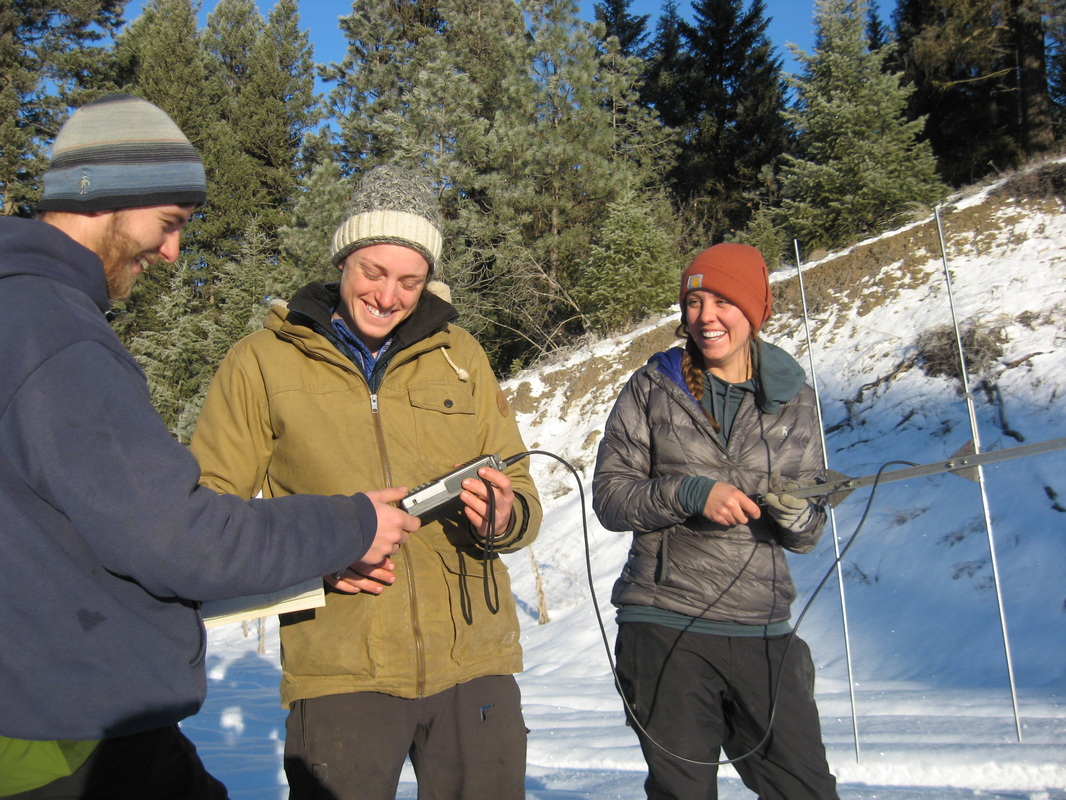
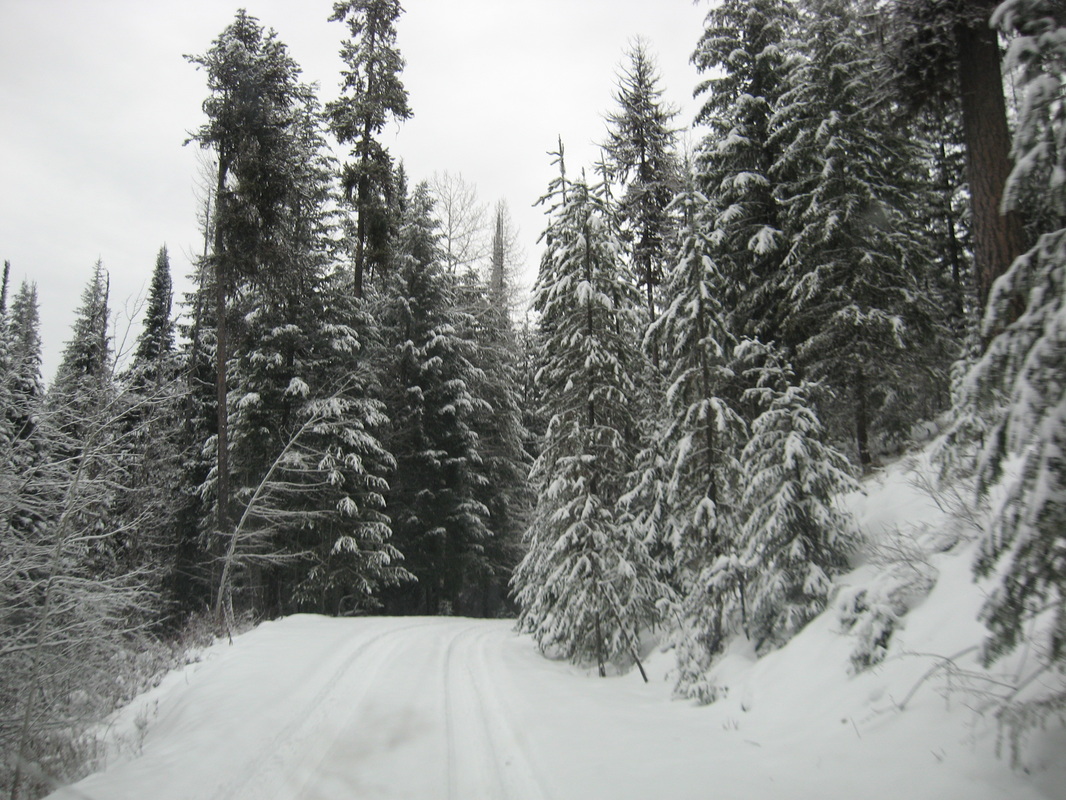
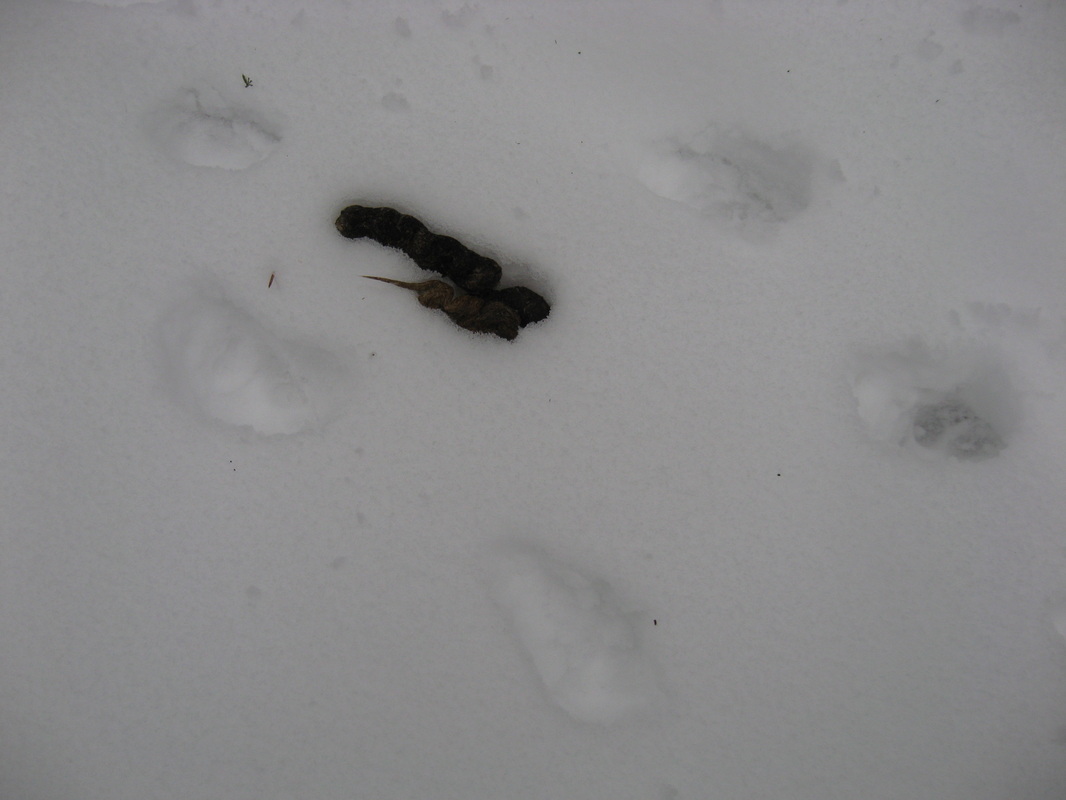
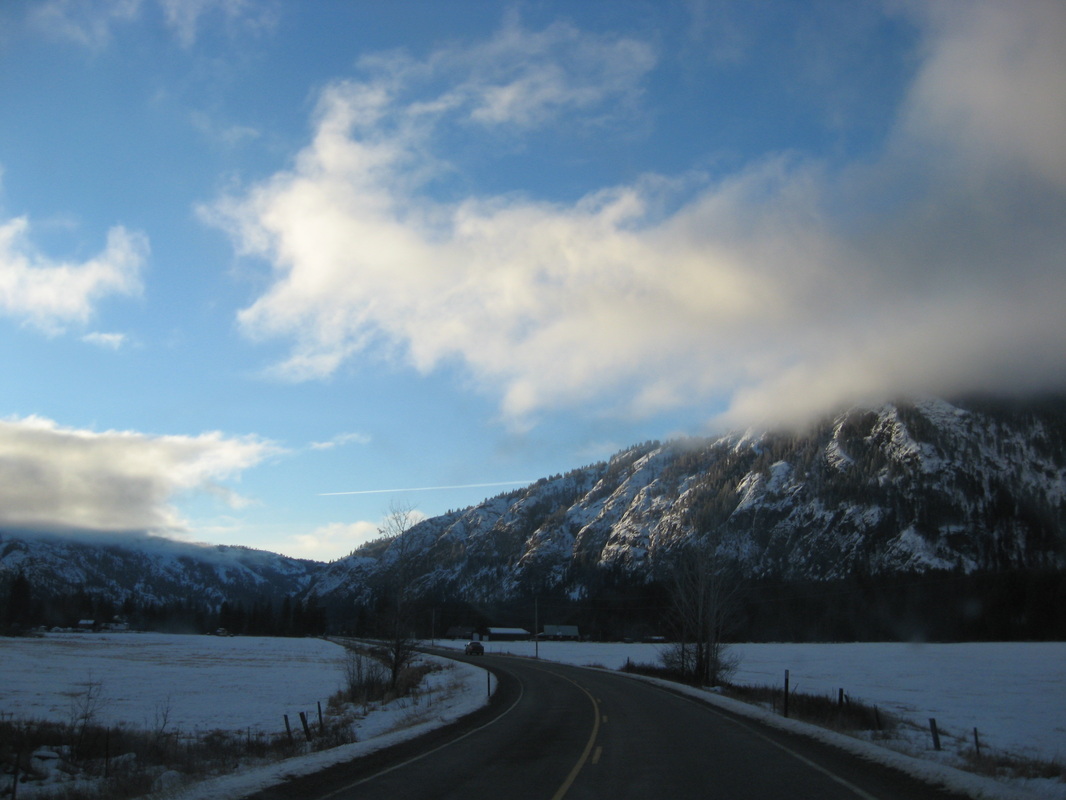
The winter 2014-15 field season is well underway studying the impacts of recolonizing wolves in northeast Washington. Along with their excellent field crew, Justin and Carolyn are trapping deer to be fitted with GPS or camera collars. 


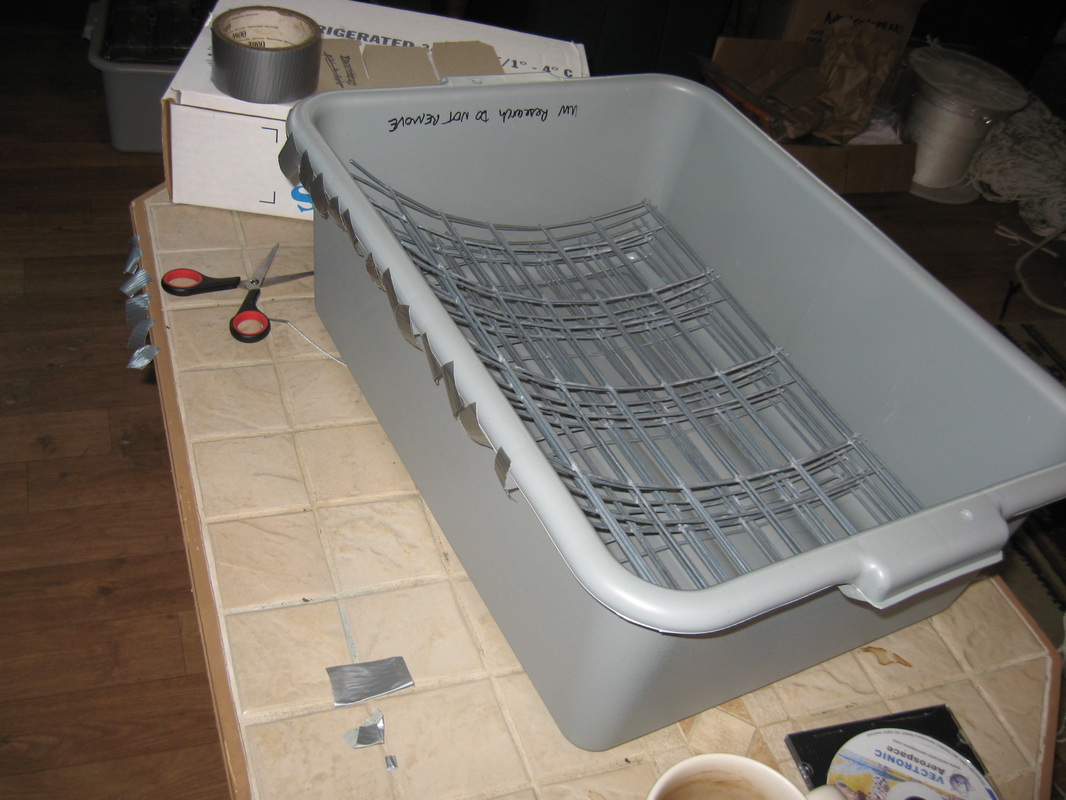
I am working on my first field season, setting up giving up density trays to assess predation fear in white-tailed and mule deer in two habitats: wolf-recolonized and wolf-absent. Giving-up densities (GUD) are a common method to assess predation risk relative to patch characteristics.  The GUD is determined by setting out feeding trays with known amounts of food for a fixed time and then measuring the amount that remains. The remaining amount or density of food at which the animal or animals decide to leave the box (give up) is an indicator of the level of apprehension or predation risk deer experience in the area.
Three researchers using telemetry equipment to track a wild animal
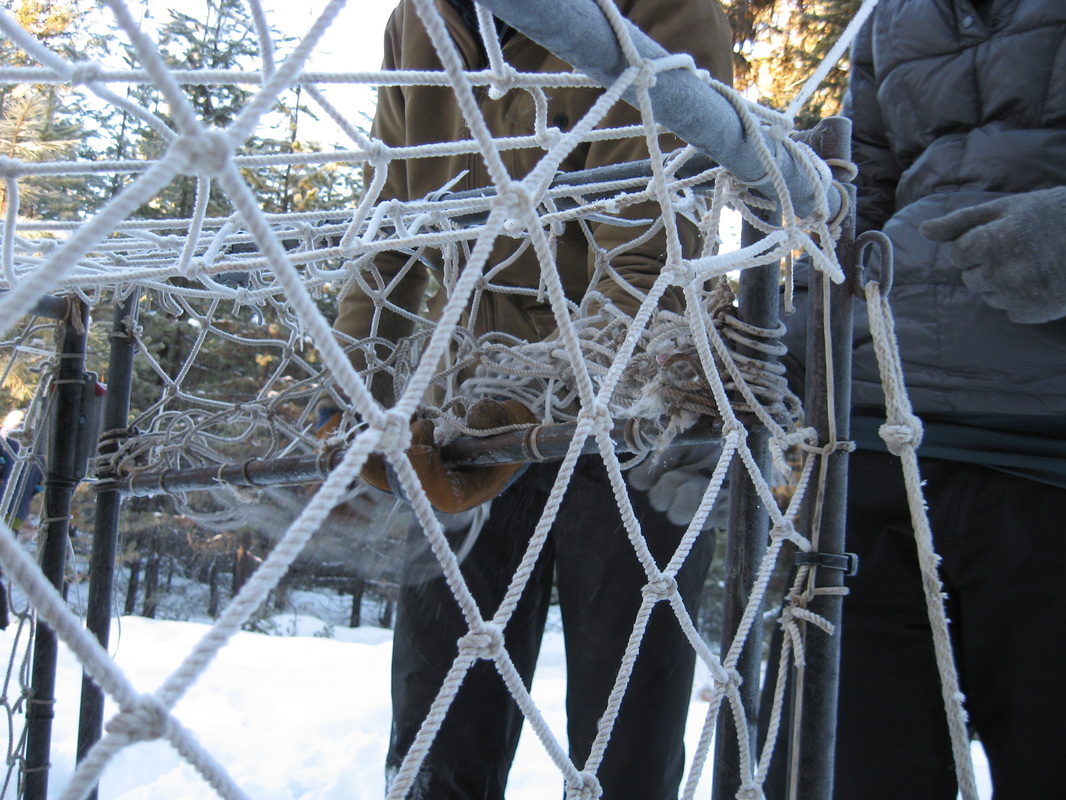
Researchers setting up a trap for a wild animal
Equipment collection for tracking animals
Road through snowy mountain area with tall evergreen trees
Animal scat sample in the snow
End of the day in a snowy mountain area.
Road through snowy mountain area with tall evergreen trees
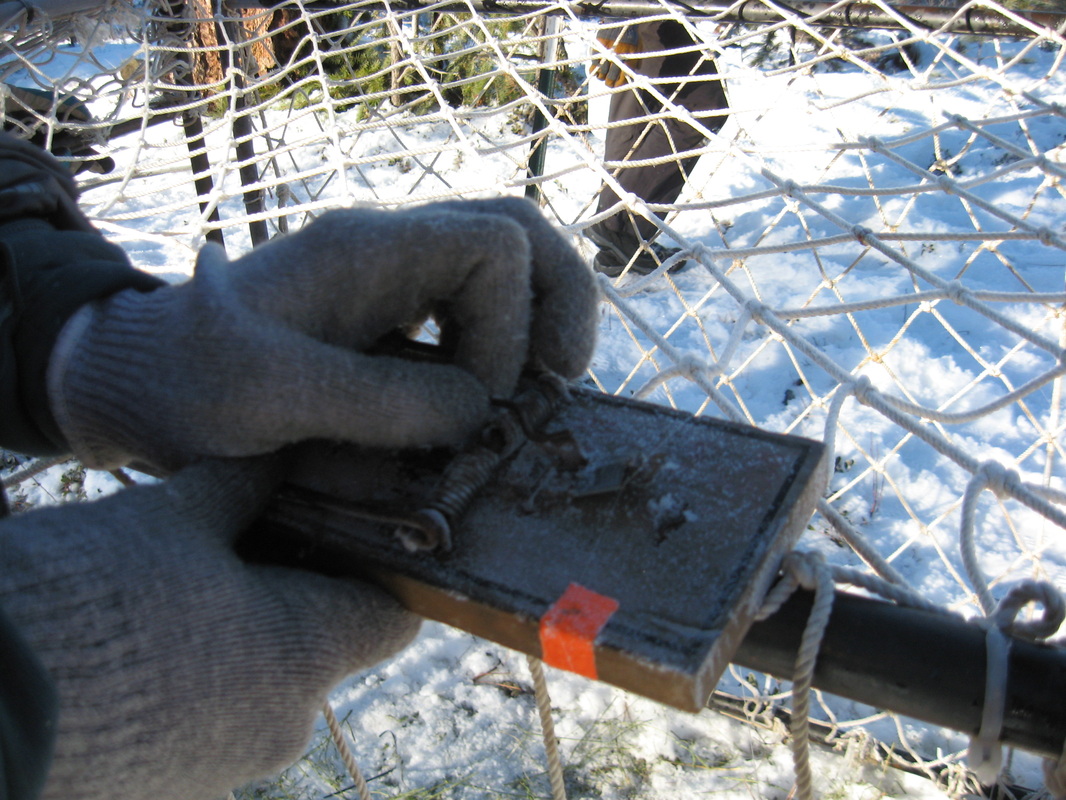
Using a mouse trap trigger to set a trap outdoors.
4 Comments

"The Ecology of Fear" wins a 2014 AAAS Kavli Science Journalism Award

1/2/2015

2 Comments

 
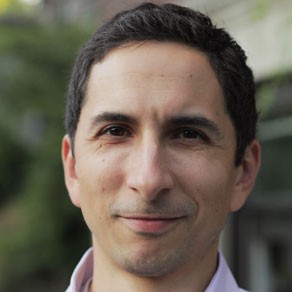
Photo of Michael Werner.
By Aaron Wirsing

A PBS Quest documentary about our wolf project titled, "The Ecology of Fear" was recently awarded a 2014 American Association for the Advancement of Science (AAAS) Kavli Science Journalism Award in the 'Spot News/Feature Reporting' category. These awards recognize professional journalists for distinguished reporting aimed at general audiences. We would like to express our sincere appreciation to Michael Werner, the journalist responsible for the film.
Michael Werner
2 Comments

Predator Ecology Lab at Meet the Mammals 

11/30/2014

1 Comment

 
By Carolyn Shores

Have you ever heard about a Pangolin?  What about a Colugo, a flying lemur that soars through the air on folds of skin?  

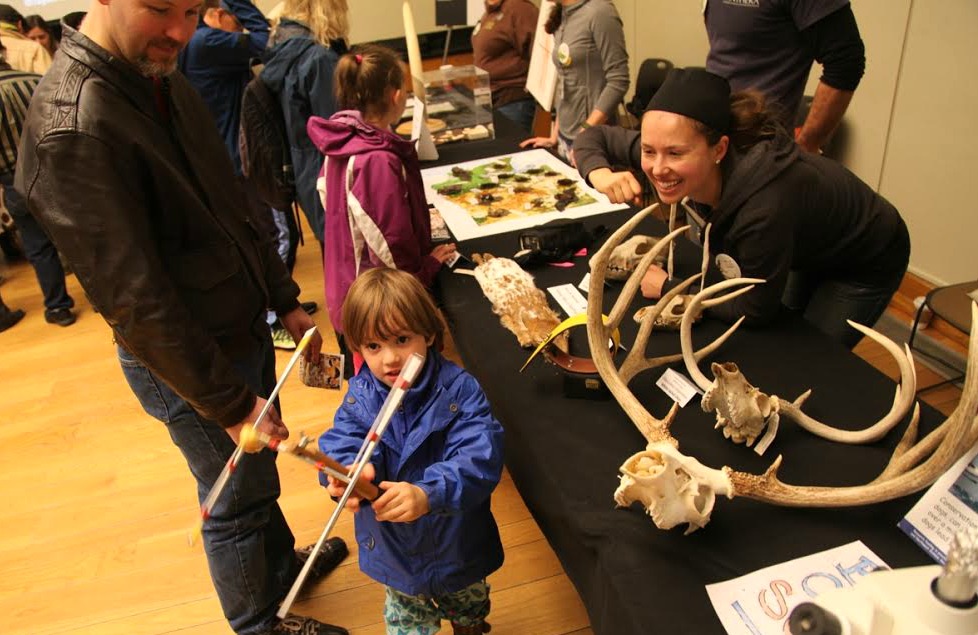
These two incredible but little-known mammals were both at the Burke Museum's "Meet the Mammals" event last weekend.  Last Saturday the Burke Museum opened up its doors to the public to showcase its diverse mammal collection of skulls, skins and skeletons. There were lots of cool mammals to show off with over 5,400 known mammal species in the world.

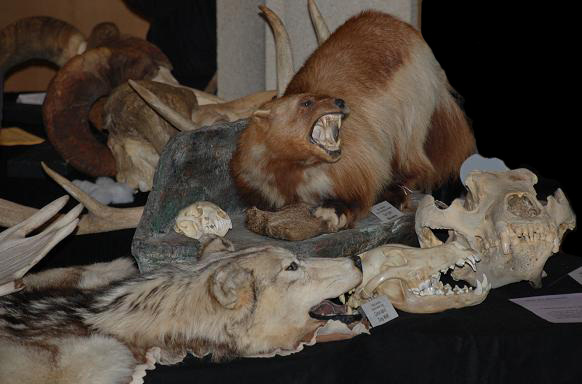
Collection of animal skins and skulls in a natural history museum
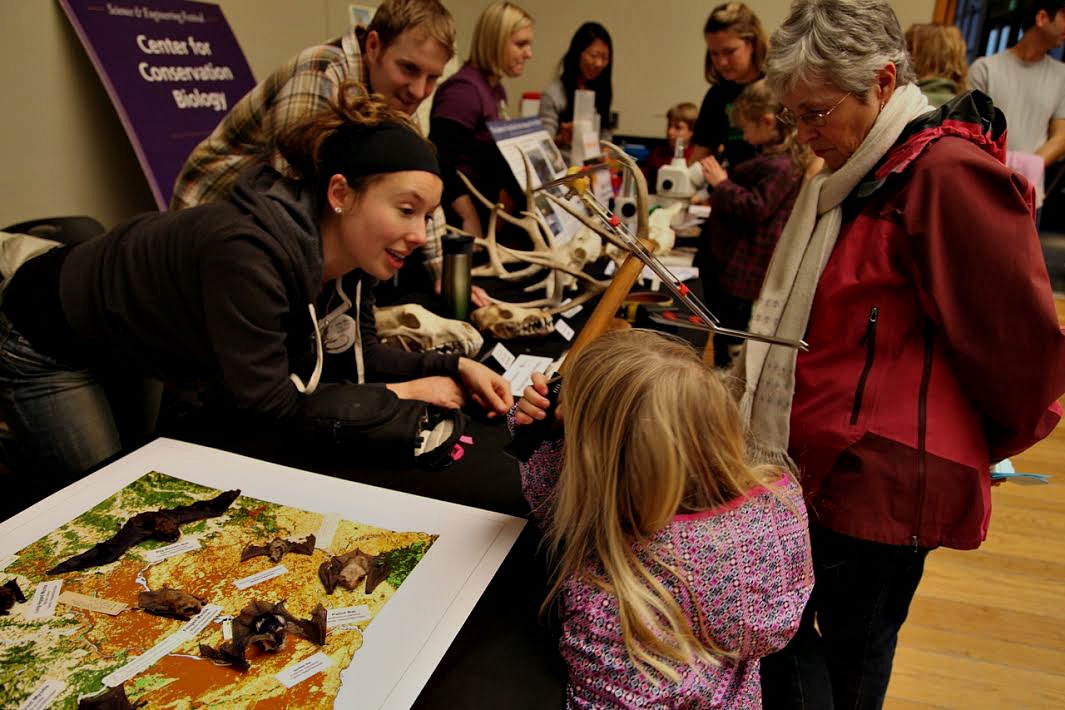
The Predator Ecology lab was invited to share our wolf ecology research at the Conservation table at Meet the Mammals.  Below are photos of graduate students Carolyn Shores and Shannon Kachel with wolf, coyote, and mule deer fawn specimens, along with our radio tracking equipment.

We had a lot of questions and interest about wolves and their return to Washington.
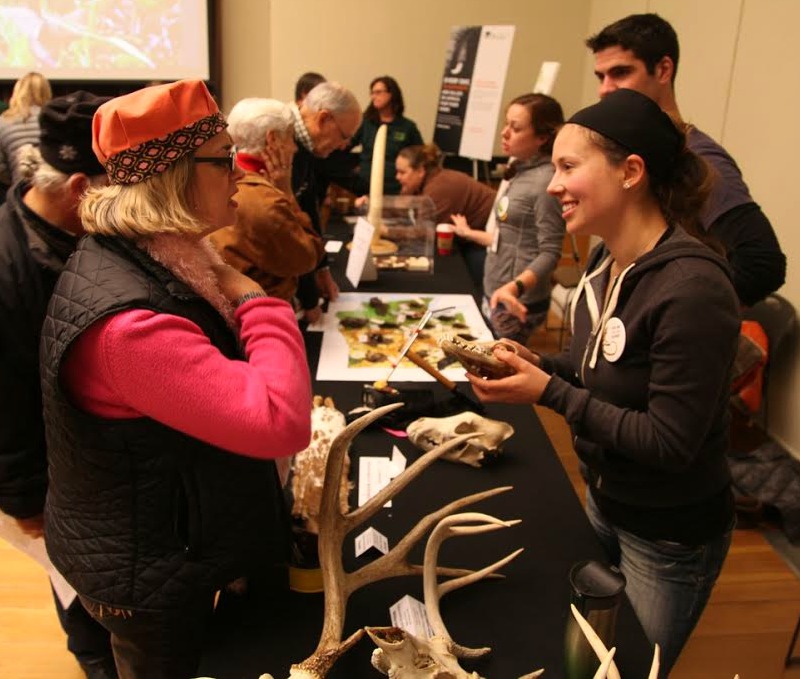
Volunteers sharing animal skins and skulls with the public
And quite a few budding field biologists eager to try their hand at radio tracking with our antennas!
Volunteers sharing animal skins and skulls with the public
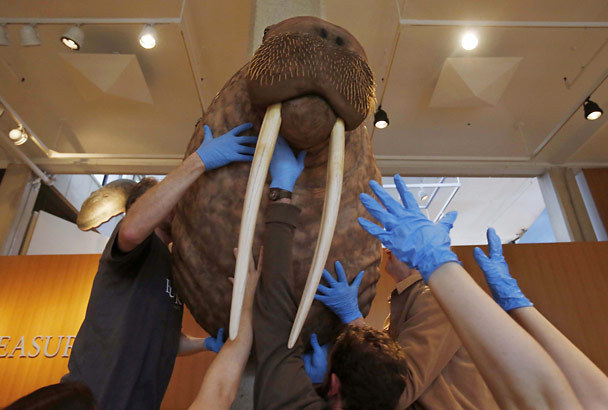
From walruses to wombats, it was a day filled with mammals and lots of interested visitors, both young and old. The Predator Ecology Lab will be back at Meet the Mammals next year with graduate student Shannon Kachel showcasing his research on snow leopards, don't miss it!
Volunteers moving walrus model in natural history museum
1 Comment

We're in the news!

11/26/2014

1 Comment

 
By Aaron Wirsing

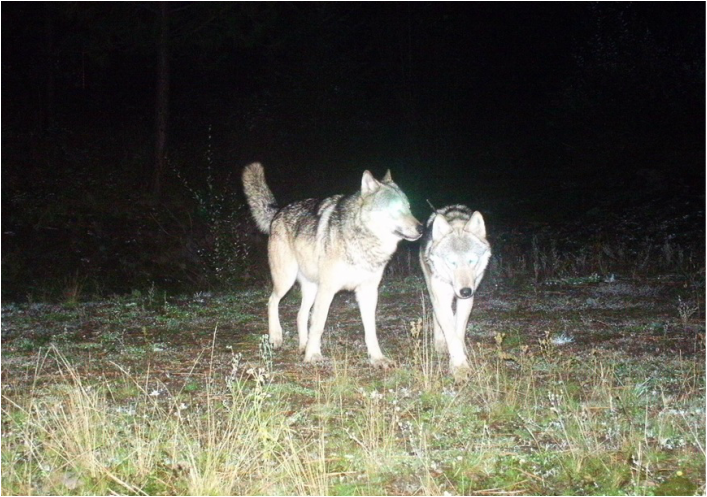
Recently, our wolf project has been profiled in the University of Washington's Daily, the Mercer island Reporter, and in American Hunter magazine. Outreach is a major component of our wolf study, so we are excited to have these opportunities to connect with the public.
Trail camera photo of two wolves walking through forest at night
Two wolves photographed by a game camera in our study area.
1 Comment

We are crowdfunding for wolf research!

11/3/2014

1 Comment

 
By Aaron Wirsing

As a means to both raise much needed funds and share our research on Washington's wolves with the public, we are in the midst of a month-long crowdfunding campaign (Oct 15 - Nov 14) using the USEED platform. The process has been a lot of fun and a great lesson in communications. If you are interested in learning more about this effort, please visit our crowdfunding site at https://uw.useed.net/projects/129/home. Thanks!

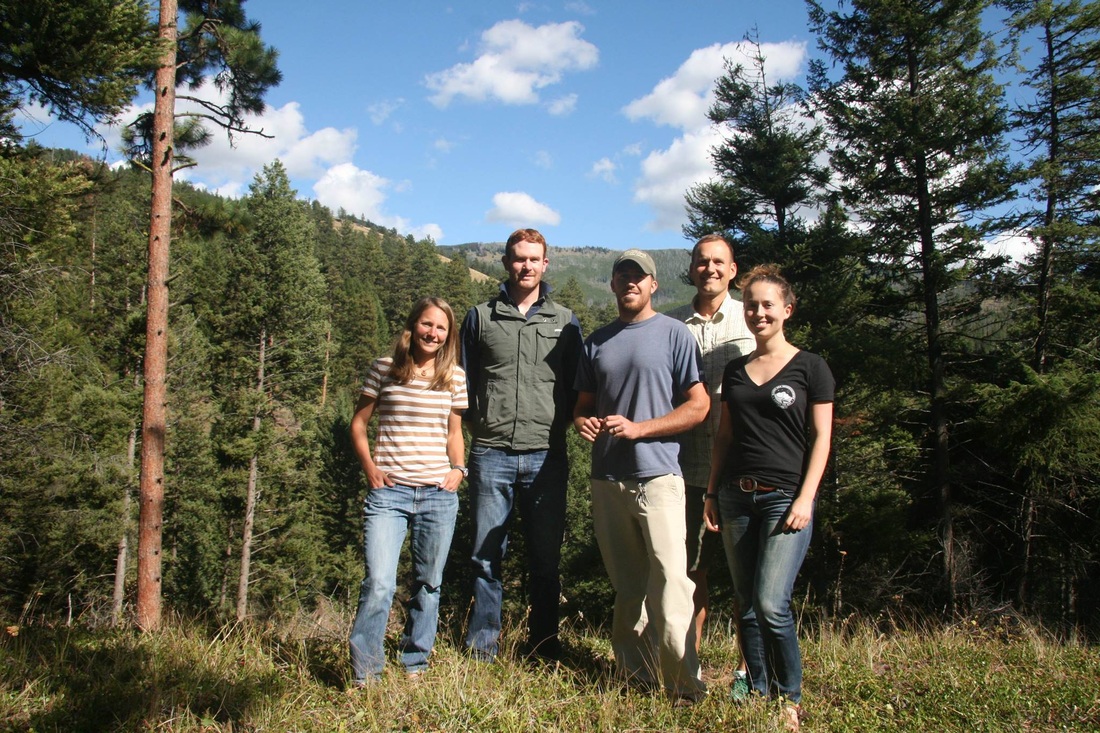
Group of researchers standing outdoors among evergreen trees
The crowdfunding team (from left to right): Apryle Craig, Dr. Tom Newsome, Justin Dellinger, Dr. Aaron Wirsing, Carolyn Shores
1 Comment
<<Previous
Forward>>

    Archives

    June 2025
    August 2024
    July 2019
    July 2018
    May 2018
    October 2017
    June 2017
    April 2017
    September 2016
    August 2016
    July 2016
    June 2016
    May 2016
    April 2016
    February 2016
    November 2015
    October 2015
    September 2015
    August 2015
    July 2015
    June 2015
    May 2015
    April 2015
    January 2015
    November 2014
    October 2014

    RSS Feed

    Categories

    All
    General News

Proudly powered by Weebly